
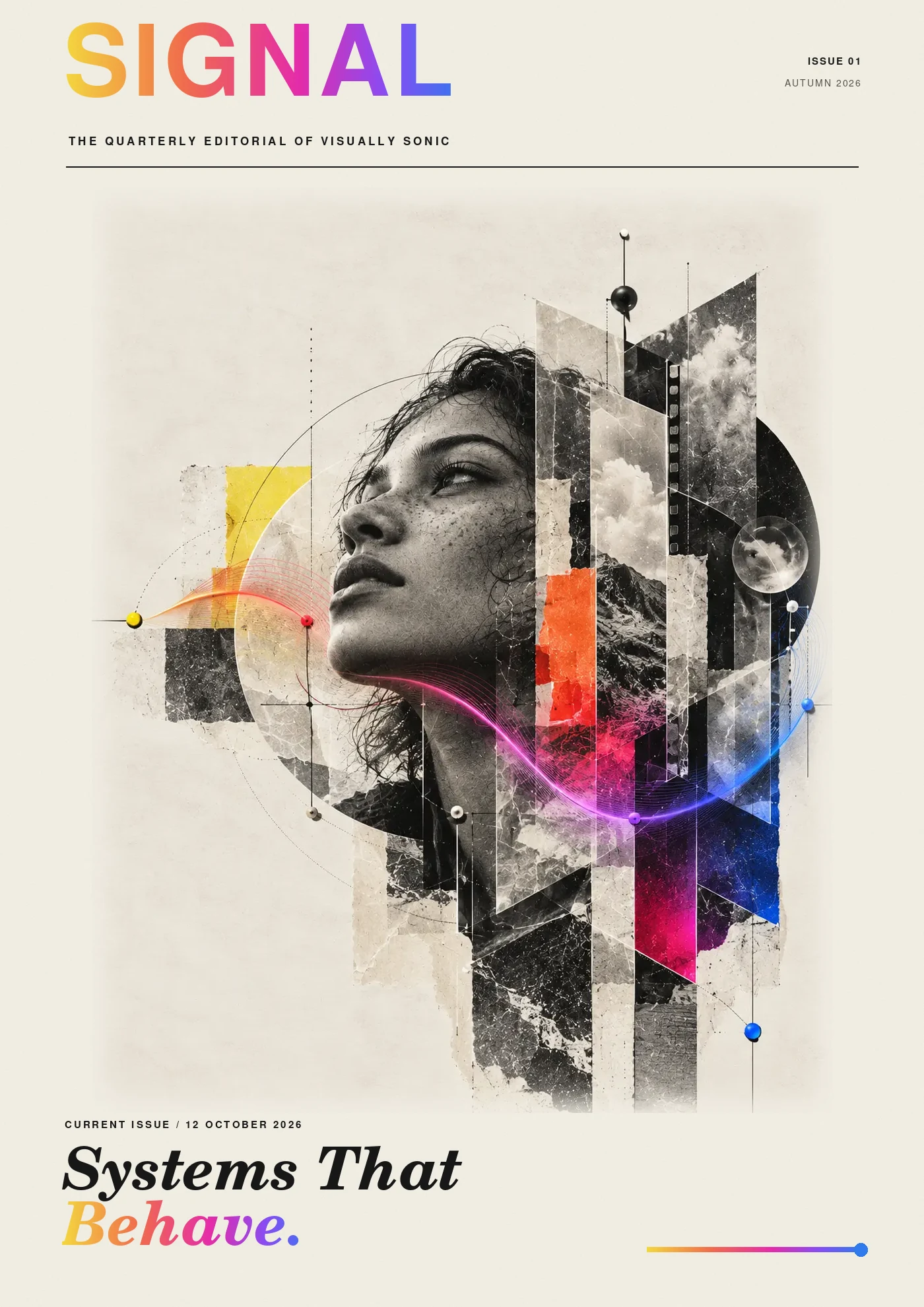
Systems That Behave.
Five perspectives on creative work becoming interactive: brands that generate culture, learning built around decisions, direction after generation, intelligent experiences and useful digital twins.
Creative work is learning to respond.
The outputs organisations once commissioned are becoming systems: environments that can answer, adapt, generate, rehearse and evolve.
This edition asks what happens when creative work stops behaving like a collection of finished assets and starts behaving like a living environment. The technology matters, but the story, rules and human decisions behind it matter more.
Across five essays, SIGNAL examines the difference between access and authorship, information and understanding, simulation and useful perspective.


A Brand Designed as a World
DESHINO began with identity, but identity was never the destination. A case file on constructing a graphic culture across product, ecommerce, film, music and connected storytelling.
Read the cover essay →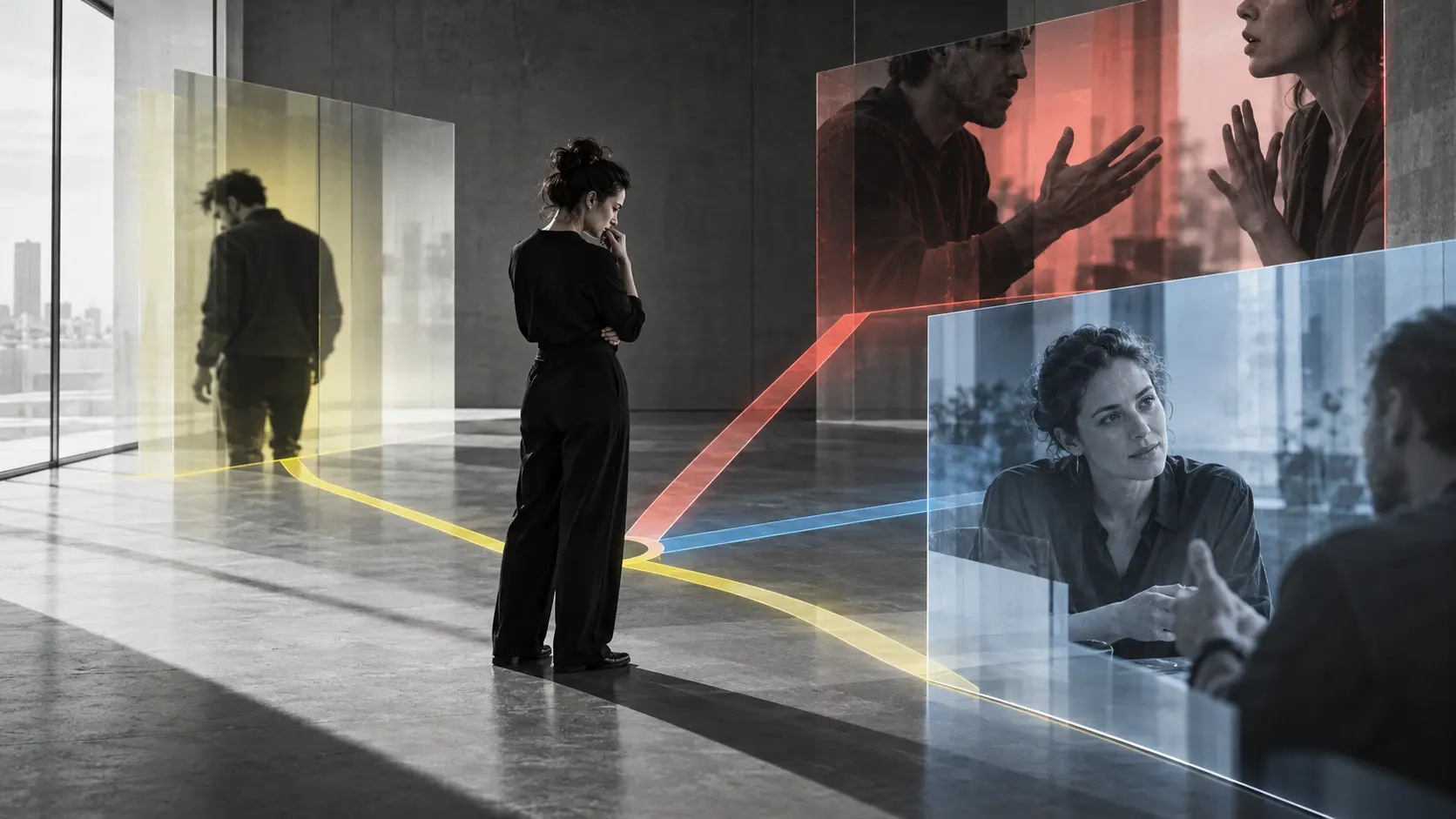
Training Is Not Learning Until Someone Has to Decide
Why information delivery is not behavioural change, and why narrative rehearsal, consequence and conversation belong inside modern learning.
Read the essay →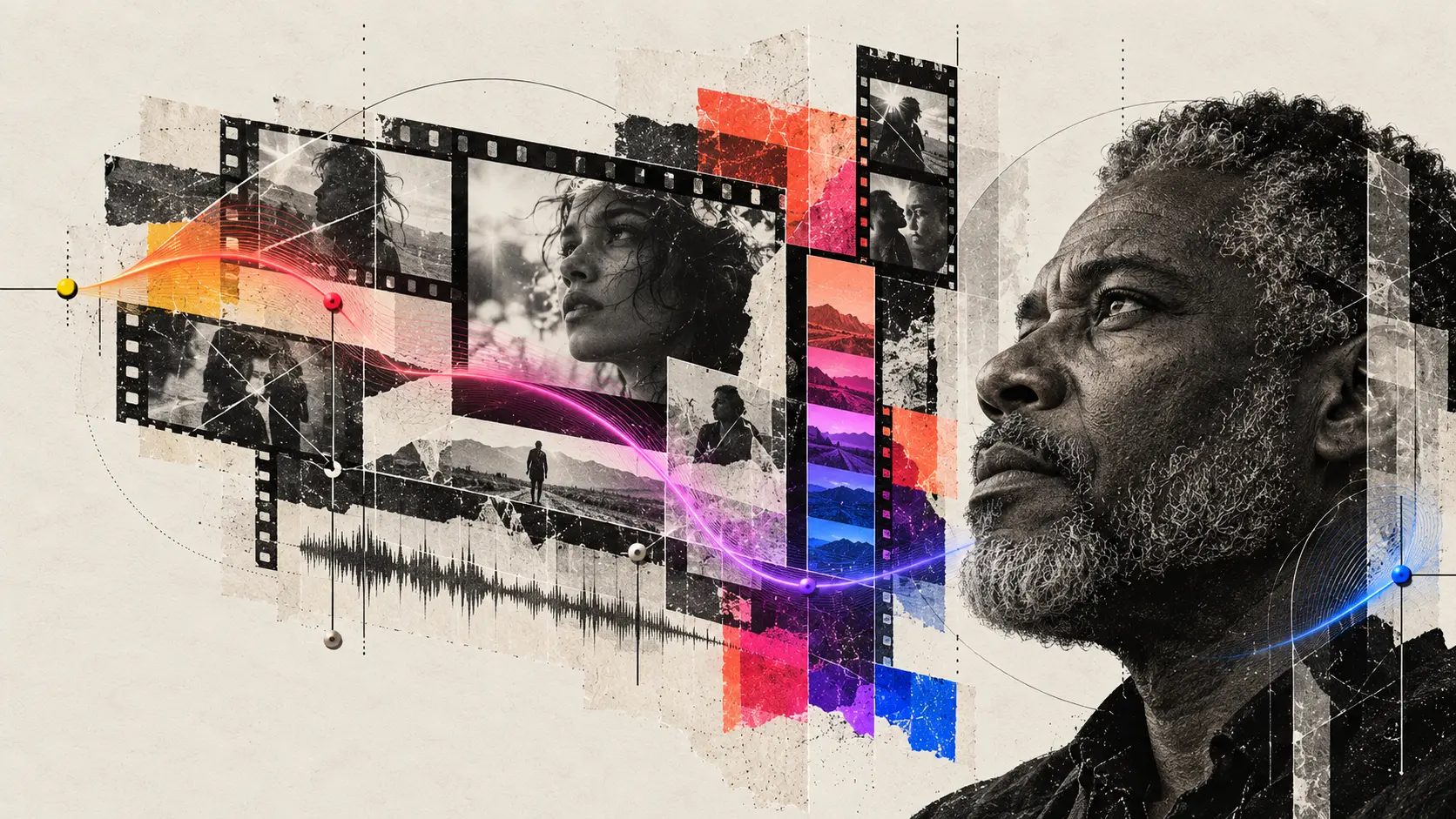
The Prompt Is Not the Product
Generative access has changed production. It has not replaced authorship, continuity, performance, editing, music or sound.
Read the essay →
What Makes an Intelligent Experience Defensible?
The difference between deploying an AI agent and designing an operational experience people can understand and trust.
Read the essay →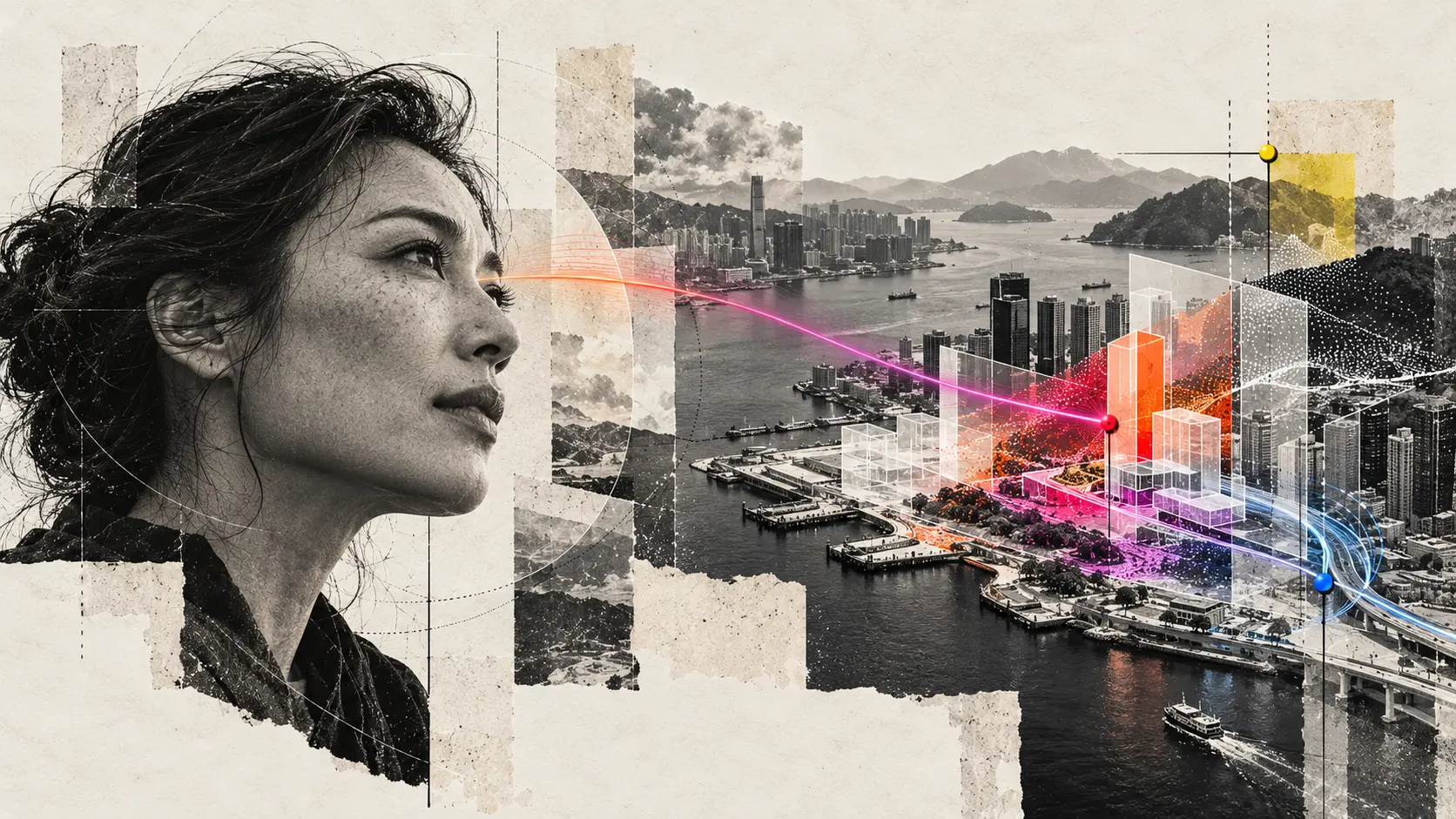
A Digital Twin Needs a Point of View
Data and simulation do not explain themselves. Narrative, interface and purpose turn a virtual replica into something people can use.
Read the essay →