
The Prompt Is Not the Product
Generative access has changed production. It has not replaced authorship, continuity, performance, editing, music or sound.
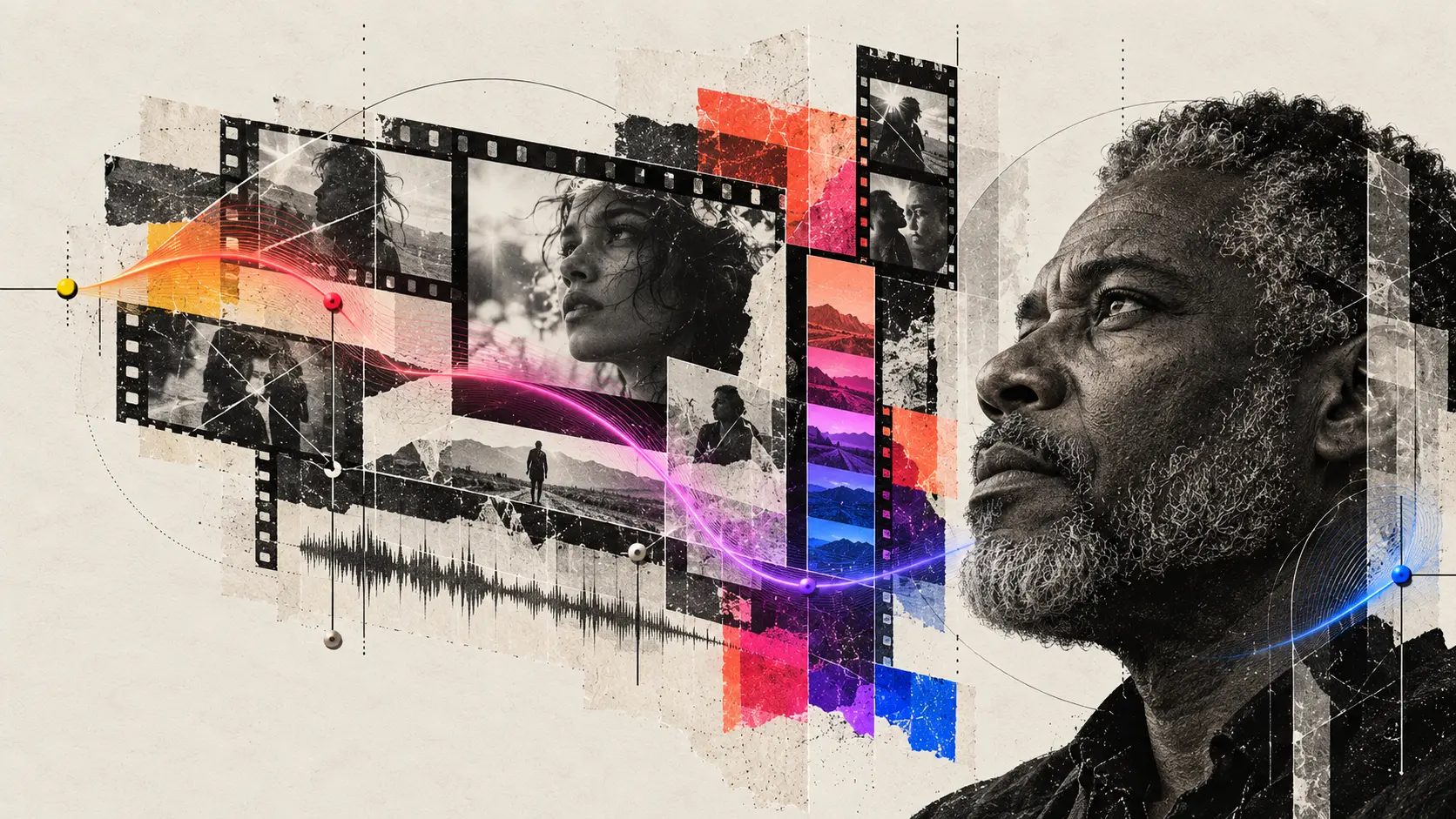
Generation can produce material. Direction decides what the material is for, what belongs and what the audience should feel.
The most visible part of generative production is the prompt. It is short, legible and easy to demonstrate, so it has become a convenient explanation for an entire creative process. Type a sentence; receive an image or shot. The interface makes production appear instantaneous and authorship appear trivial.
Access is not authorship
Generative tools have radically widened access to images, movement and visual effects. Ideas that once required sets, crews or budgets beyond reach can now be explored by smaller teams. That is a meaningful change. It does not follow that every generated output is a finished creative work.
The US Copyright Office’s recent analysis is useful even beyond its legal jurisdiction because it separates instruction from expressive control. It concluded that prompts alone generally do not provide sufficient human control over expressive elements, while human selection, arrangement and modification may support protection. The broader creative point is simple: asking for material is different from shaping a work.
“A prompt may begin the search. The product emerges through judgement: what to keep, reject, combine, alter and place in time.”
Direction begins before generation
A film needs an intention before it needs an image. Who is the audience? What is the dramatic movement? What should remain unseen? How does the camera behave? What kind of performance belongs in this world? Which visual contradictions are useful, and which destroy continuity?
These questions form a system of direction. A strong prompt can express part of that system, but it cannot replace it. The work happens across development, references, character design, production rules, shot planning, performance, iteration, compositing, edit, grade, music and sound.
- IntentDefine the audience, meaning, emotional movement and limits of the work.
- World rulesEstablish character, environment, camera, texture, colour and continuity.
- GenerationCreate options deliberately, with room for discovery but clear criteria for rejection.
- ConstructionEdit, composite, retime, grade and connect shots into a coherent sequence.
- Performance through soundUse voice, music, ambience and effects to create weight, rhythm and emotional truth.
- ProvenanceRecord sources, permissions, tools and meaningful human contributions.
Continuity is a creative decision
A single striking shot can conceal many failures. Across a sequence, characters drift, geography collapses, props mutate and camera logic changes. The answer is not merely a better prompt. It is a continuity method: fixed references, controlled variation, shot relationships and the willingness to discard attractive material that does not belong.
This is where experienced visual judgement becomes more valuable, not less. Abundance increases the need to select. Speed increases the risk of accepting the first plausible result. A director has to protect the work from the seduction of isolated images.
The edit creates meaning
Generated shots do not know why they follow one another. Meaning appears through duration, juxtaposition, omission and rhythm. A look held for two frames longer can change a relationship. A cut away from spectacle can create restraint. A sound arriving before its image can turn information into anticipation.
This is also why audio cannot be treated as a finishing accessory. Sound supplies physicality to images that may never have existed in a physical space. It can unify inconsistent material, establish scale and carry performance where facial detail fails.
Provenance belongs inside production
Responsible generative work needs a production record. Which tools and model versions were used? What source material entered the process? Which elements were commissioned, licensed, generated or modified? Where did a performer, musician, designer or editor contribute? These questions should be answered while the work is made, not reconstructed when a client or distributor asks.
Provenance is sometimes framed only as risk management. It is also evidence of authorship. A clear record makes the human decisions visible: the references created, outputs rejected, sequences rebuilt, performances shaped and final work assembled. It distinguishes a directed production from an unexplained output.
Lower barriers should enlarge the team’s ambition
The most compelling economic promise is not a production without people. It is a production in which a smaller team can attempt a larger idea. A writer can develop worlds previously considered unfilmable. A director can prototype before a conventional shoot. A sound designer can turn visually synthetic material into a credible physical event. An editor can explore structures before expensive decisions become fixed.
Different projects will choose different hybrids. Some may be almost entirely generated; others may use generation only for development, transitions or impossible environments. The creative task is to choose the method appropriate to the work, not to maximise the percentage attributed to a tool.
Taste includes the decision to stop
Generative systems make endless variation inexpensive, which creates a new form of waste. The team can continue asking for alternatives long after the idea has been found. Direction requires thresholds: what has to be true for the shot to enter the edit, and when is another iteration no longer improving the film?
This is where taste becomes operational. It is expressed not only through preference, but through constraint, selection and completion. The ability to generate more is common. The ability to recognise enough remains scarce.
More possible does not mean less authored
Generative production is most interesting when it expands what a creative team can attempt, not when it reduces creative work to a parlour trick. It can help independent studios prototype worlds, visualise impossible locations and produce ambitious films with smaller resources. But the value does not reside in access to the same model everyone else can access.
The value resides in the system of choices around it: concept, taste, narrative, continuity, performance, edit, sound and responsibility. The prompt is one instrument. The product is the directed experience.