There is no shortage of accessibility information. Most venues already provide information about accessibility on their websites. Many invest in audits, accessibility statements, access guides and support services.
Yet despite these efforts, one recurring theme keeps emerging from conversations with disabled people: the information exists. Accessing it is still difficult.
Over the last few months, while developing and testing SENSE™, a conversational accessibility information service, we have been speaking with accessibility advocates, content creators and members of the disabled community.
What we expected to hear was frustration about missing information. What we actually heard was something more interesting. Many people told us they avoid asking questions altogether.
“The information exists. Accessing it is still difficult.”
The barrier is often the act of asking.
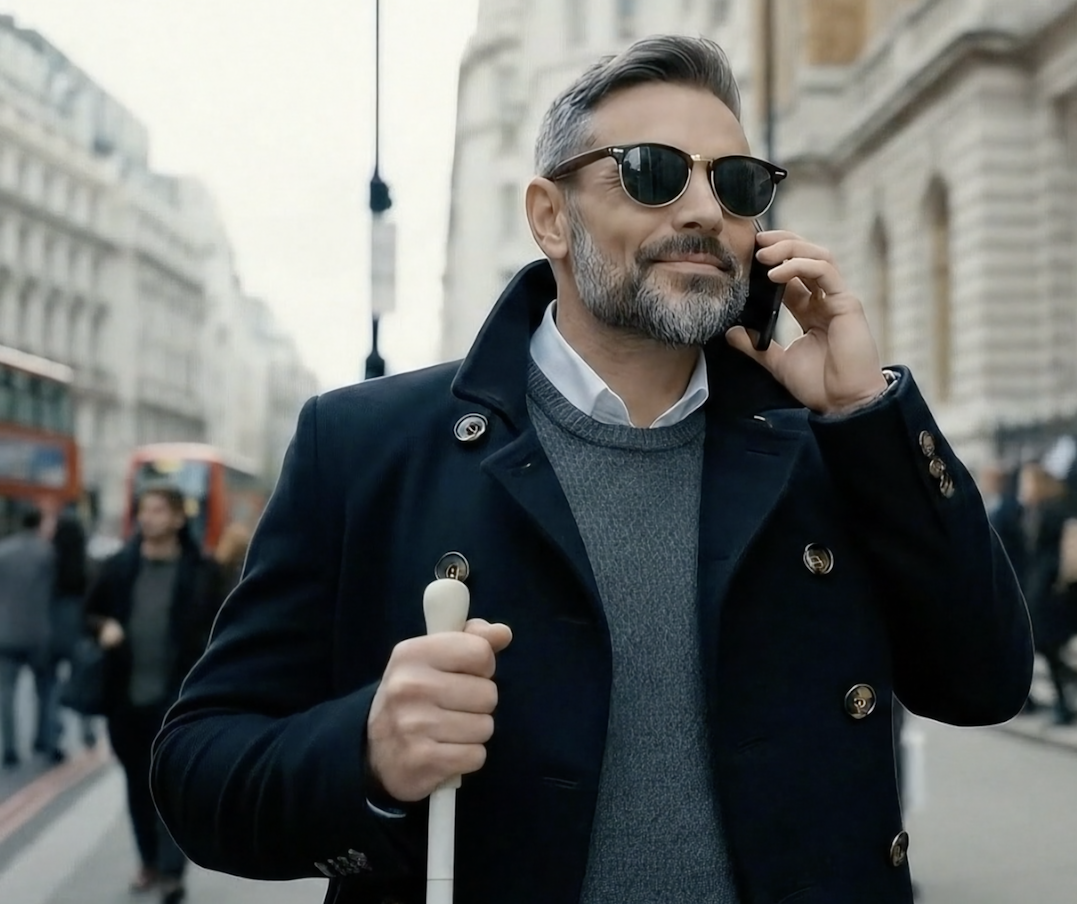
One visually impaired accessibility advocate who tested the platform told us: “I would never phone a venue to ask how many steps there are. But I’d happily ask an AI assistant.”
That observation stopped us in our tracks. Not because the information was unavailable, but because asking for it created friction.
The challenge was not accessibility itself. The challenge was information access.
- ArrivalHow many steps are there from the accessible parking area?
- RoutesIs there a quieter route through the building?
- Sensory planningAre there sensory-friendly spaces?
- FacilitiesWhere is the nearest accessible toilet?
- Food and drinkWhat allergens are present in menu items?
- DistanceHow far is it from the entrance to my seat?
- Operational accessIs there a lift and is it currently working?
- Visitor policyAre assistance dogs welcome?
Many of these questions are simple. Yet they are often difficult to answer quickly.

Information is infrastructure too.
Accessibility is frequently discussed in terms of compliance, legislation and physical infrastructure. These things matter enormously. But information is infrastructure too.
A wheelchair ramp is only useful if people know it exists. A quiet room is only useful if visitors can find it. An accessible route is only useful if someone can understand it before they arrive.
Accessibility information should be as accessible as the venue itself.
A venue may have invested in better facilities, trained staff and improved access routes, yet still lose visitors because the information is hard to locate, hard to interpret or hard to ask for.
When asking a question feels socially awkward, time-consuming or exposing, people may choose not to ask at all. The result is not just inconvenience. It can mean the visit never happens.
This is why the information layer matters. It is not a decorative addition to the accessibility work. It is how people discover whether the work is useful to them.
“A ramp is only useful if people know it exists.”
Small barriers accumulate into uncertainty.
For many people, friction appears in small moments: searching multiple pages on a website, reading lengthy PDFs, waiting for email responses, calling a venue and explaining personal circumstances, or being transferred between departments.
Each barrier may seem minor. Together they create uncertainty. And uncertainty often results in people choosing not to visit at all.
Accessibility details may be scattered across web pages, PDFs, policy documents and booking information.
Some visitors may avoid calling a venue because it requires disclosing needs, explaining context or asking questions that feel personal.
Email responses, staff availability and opening hours can delay decisions when a visitor is trying to plan.
When information feels incomplete, people may choose a different venue or avoid the visit altogether.

From publishing information to making it answerable.
We believe there is an emerging opportunity for venues to rethink how accessibility information is delivered. Not simply publishing information. Making it instantly accessible.
Voice interfaces, messaging platforms and conversational systems may have an important role to play in reducing information barriers and increasing confidence for visitors.
The technology is not the story.
The technology itself is not the story. The story is independence. The story is confidence. The story is enabling people to access the information they need, when they need it, without unnecessary friction.
Done properly, a conversational accessibility layer does not replace an audit, a trained team or the responsibility of the venue. It makes approved information easier to reach and easier to use.
What Happens NextThis is the beginning of a wider conversation.
Over the coming months we will continue gathering stories, insights and experiences from disabled people, accessibility advocates and venue operators.
If you have ever avoided visiting a venue because finding accessibility information felt too difficult, we would like to hear from you.
Because the goal should not be simply making venues accessible. The goal should be making accessibility information accessible too.