The human influencer is a liability. They are limited by time, geography and the inherent unpredictability of human nature. In the high stakes world of global branding, the era of the one-off spokesperson is ending. The era of the autonomous brand ambassador has begun.
Most brands treat social media as a billboard. They hire a face, rent an audience and hope for a return on investment that rarely materialises in a meaningful way. This approach is a monologue in an age that demands dialogue.
At Visually Sonic, we believe a brand deserves more than a temporary tenant. It deserves a permanent resident.
“The shift is from renting influence to owning identity.”
The Liability of the Human Element
Traditional influencer marketing is built on a foundation of risk. A brand’s reputation is often tethered to the personal choices and public conduct of an external individual.
Human creators are also difficult to scale. They cannot be in ten places at once, speak thirty languages fluently or interact with thousands of customers simultaneously without losing the intimacy that makes them valuable.
We are witnessing a shift from the gig economy of influence to the asset economy of identity. By architecting a digital ambassador, a brand transitions from renting influence to owning it.
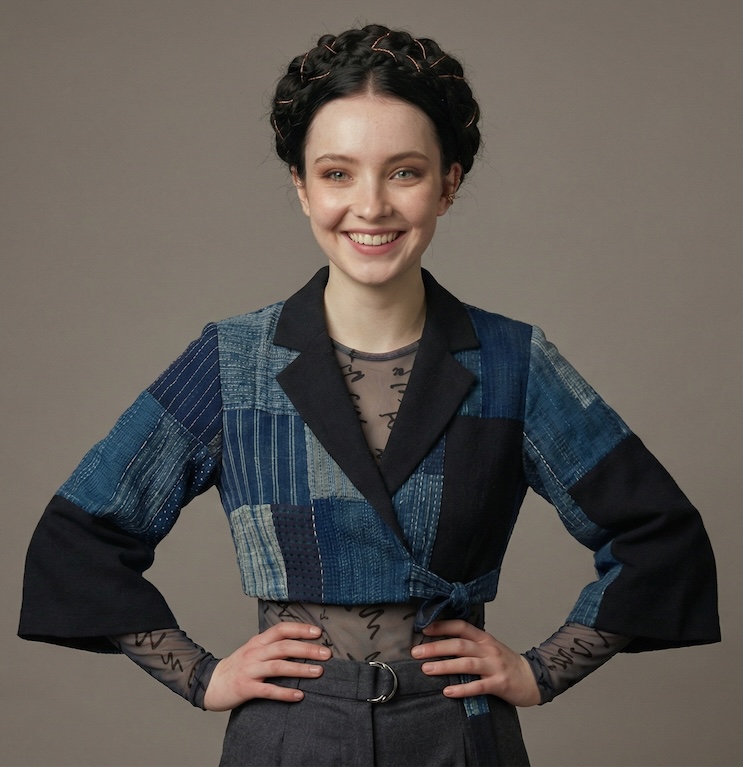
Millie Carter: A Blueprint for Identity
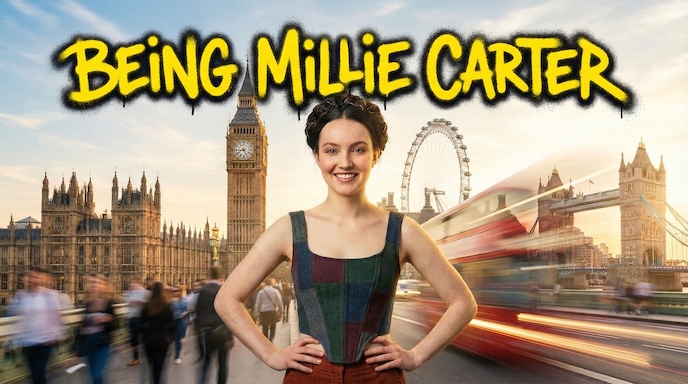
Millie is not a chatbot and she is not a static avatar. She is a narrative-led digital personality designed to demonstrate how character, continuity and humour can create a recognisable presence across a fractured media landscape.
The project explores what happens when a character is treated as an enduring media property rather than a one-off campaign device.
Architecting a Digital Soul
Creating a digital ambassador requires more than high-quality rendering. It requires what we call connected intelligence. To be effective, a virtual character needs a coherent set of values, a defined sense of humour, a recognisable voice and a backstory capable of supporting future narrative development.
Millie Carter demonstrates the possibilities of this approach. She uses realistic voice synthesis with personality and nuance. She is not just a face. She is a conversational interface and an evolving story system.
A credible virtual identity must remain recognisable across film, audio, social channels and live conversation while still being capable of development.
Through interactive systems, audiences can move from watching Millie to speaking with her, turning a passive media experience into a participatory one.
“A digital character becomes valuable when audiences recognise not only the face, but the point of view behind it.”
From Character to Media Ecosystem
Millie represents a step towards generative interactive cinema: an episodic media character who inhabits her own world while also demonstrating how a branded identity can move across formats.
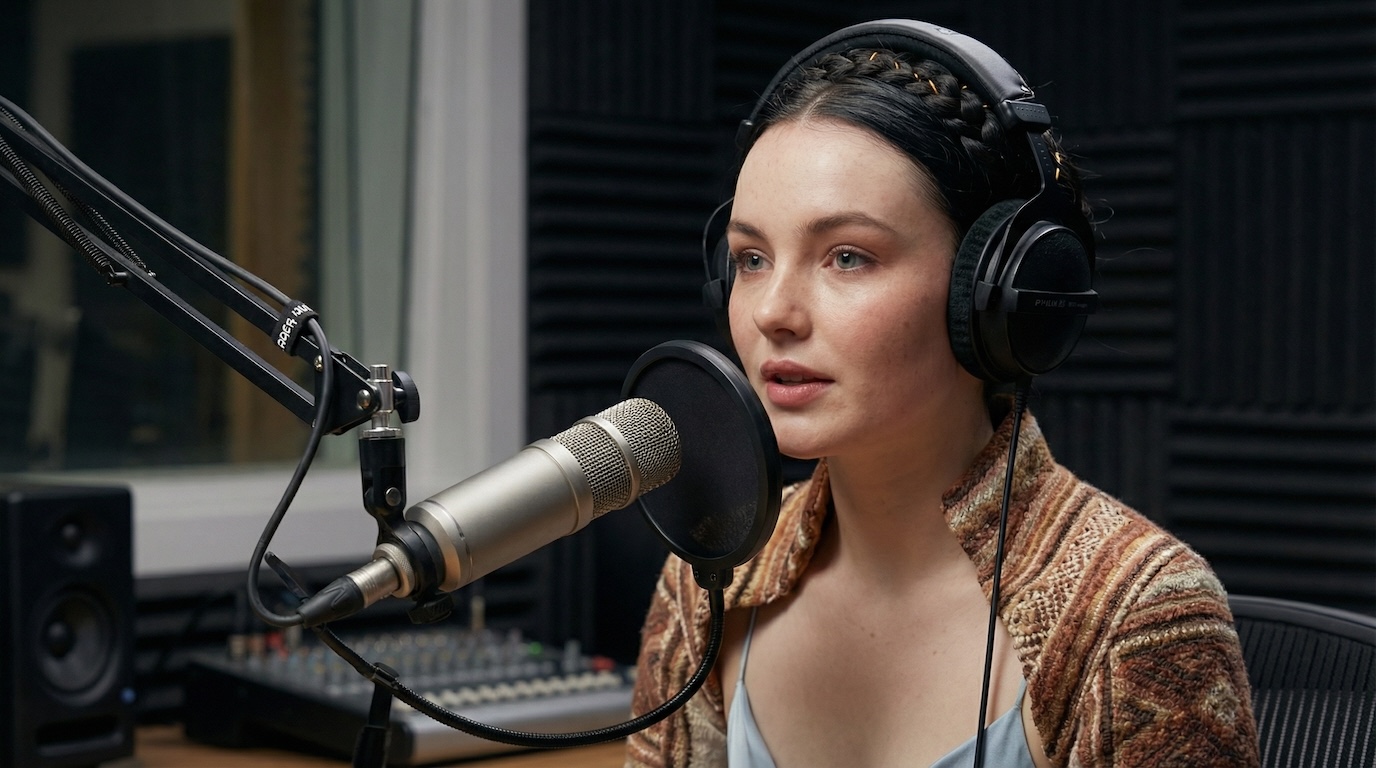
The same personality can appear in a cinematic vlog, host a podcast, release music, publish social content and eventually hold a live conversation with an audience.
From Content to Commerce
The commercial power of an agent like Millie is her ability to operate as a scalable media channel. The character can move between formats without rebuilding the brand identity from the beginning each time.
A virtual host can interview guests, explain complex subjects, support product launches, guide visitors and represent an organisation across multiple languages and channels.
This changes the economic model. A business is no longer simply paying for an appearance or a sponsored post. It is building a media asset that can continue producing value.
A character whose voice, values and visual language remain consistent across every channel.
Film, podcast, music, social content and conversation designed around one connected identity.
A virtual ambassador capable of supporting multilingual communication without losing character continuity.
An identity that can grow with the organisation rather than disappearing when a campaign ends.
Building Worlds, Not Campaigns
The strongest virtual identities will not exist as isolated faces attached to marketing materials. They will inhabit worlds with their own relationships, history, tone and internal logic.
This is the new era of immersive narrative design. We do not simply create more content around a brand. We create a coherent environment that audiences can follow, recognise and eventually participate in.
The Strategic ShiftOwn the Narrative
The future of brand authority will not be entirely human or entirely synthetic. It will be deliberately architected.
Brands that build enduring identities will be less dependent on rented audiences, temporary partnerships and fragmented campaigns. They will own the character, the world, the archive and the relationship with the audience.
Millie Carter is one example of what that future could look like. The larger opportunity is to create a distinctive voice that belongs to the organisation and can continue evolving with it.